

Image: Michael Holman
Honeygar
Somerset Wildlife Trust's first ‘wilded’ site
Honeygar, Westhay
Honeygar sits between our existing nature reserves of Westhay Moor, Catcott Complex and land we manage on Tealham and Tadham, all with large areas of lowland peat.
This makes it an exciting site for Somerset Wildlife Trust. Sitting on precious lowland peat, Honeygar offers a rare opportunity to explore how peatland restoration can work alongside nature recovery, while helping us better understand how nature responds over a long period of time. This is a long-term project with at least a 50 year timeline.
Read our reports on the ongoing transformation of Honeygar into a haven for biodiversity and a showcase of ground-breaking science and monitoring.

What's next for Honeygar?
This February (2026), we submitted a planning application for proposals to create a research centre, marking an important step in the long-term future of the site.
A rare opportunity
Peatlands cover just 3% of the Earth’s land surface but store more carbon than all the world’s forests combined. Despite this, peatlands are under-valued, and the majority of the limited research and restoration that has been undertaken has focused on upland sites.
Honeygar offers a rare opportunity to generate robust, real-world evidence about how lowland peatlands, such as those across the Somerset Levels, can be managed in ways that support wildlife, sustainable land use and local economies. The site is already well used by universities, academics and researchers conducting studies on everything from tiny soil microbes to the impact of shifting weather patterns.

Photo: Joe Hampson
Science, Evidence and Monitoring at Honeygar
We are committed to scientific rigour and evidence-based management on all our sites including Honeygar.
How can you get involved and support Honeygar


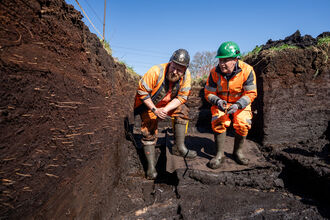
Honeygar: Protecting 6,000 years of peatland heritage
Ancient wooden trackways survive beneath the peat at Honeygar, offering a glimpse into life thousands of years ago.
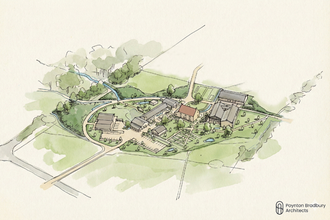
Honeygar Farm plans submitted for research centre benefitting long-term peatland management on the Somerset Levels
Somerset Wildlife Trust has submitted a planning application for proposals to create a research centre at Honeygar Farm, Westhay,…
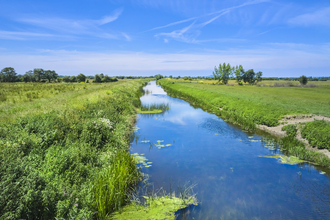
Somerset Wildlife Trust asking for support to continue pioneering wilding project on the Somerset Levels
An appeal has been launched to raise critical funds for ‘Honeygar’, an ongoing transformation of a former dairy farm into a haven for…


