April's wonders

April's wonders

Image: Russell Savory

My favourite thing about March and April must be the return of some species of birds to my garden and using my phone to help me identify their comings and goings.

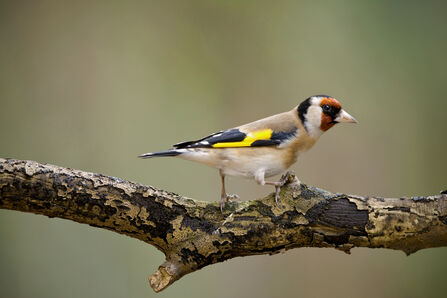
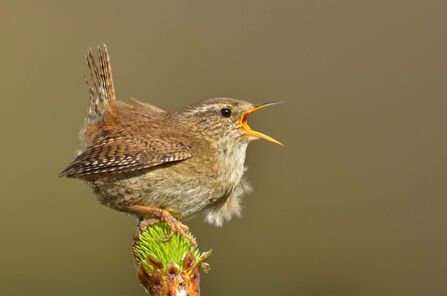
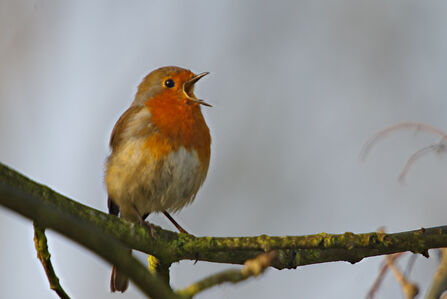
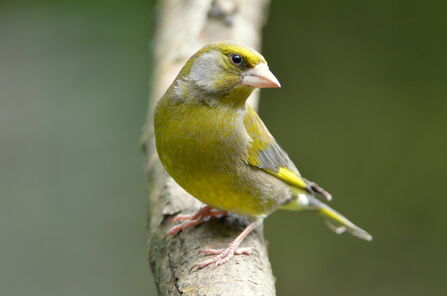
Top birds so far this month have been the robin, goldfinch and greenfinch, as well as the loud little wren and the flit of the white wagtail. I am keeping an eye (and ear) out for the pied flycatchers (Ficedula hypoleuca) as they return to the UK this month, after a winter spent in the tropical jungles of West Africa. 

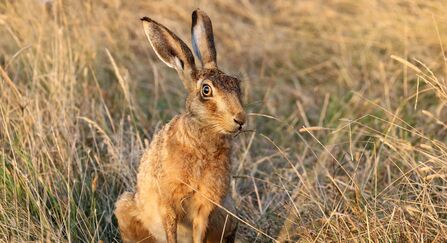
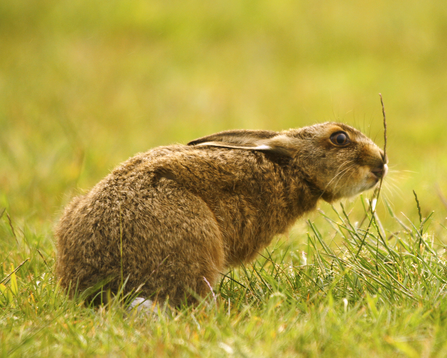
Peering over the hedge to the fields at dusk, I strain to see glimpses of the majestic brown hare (Lepus europaeus). By April the year’s first babies, called leverets, should have arrived. If you’re lucky, you might spot some a few days old, hunkered down in a bed of grass. Did you know they are born fully furred and open-eyed? When disturbed, hares can be seen bounding across the fields, using their powerful hind legs to propel them forwards, often in a zigzag pattern. I love this about them!
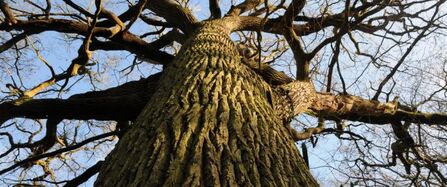
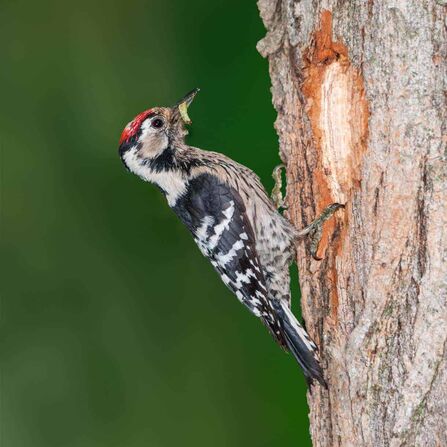
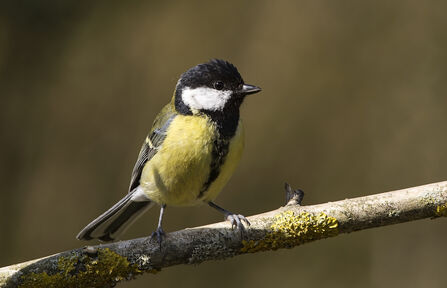
The oak trees in the garden are still seemingly bare, but if you look closely, you’ll see that there are definite signs of life! Oak leaves will start appearing this month, and with them, an abundance of aphids and caterpillars, which draws in birds like the lesser spotted woodpecker, great tits, and hopefully pied flycatchers!

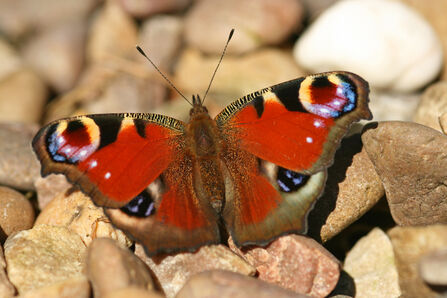
Down on the ground I am already seeing the peacock butterfly (Aglais io). Their eyes detect movement faster than us, thanks to myriad photoreceptor cells in tiny units called ommatidia, their twin antennae smell the air in stereo, and their tactile legs are more sensitive than our fingertips – impressive!

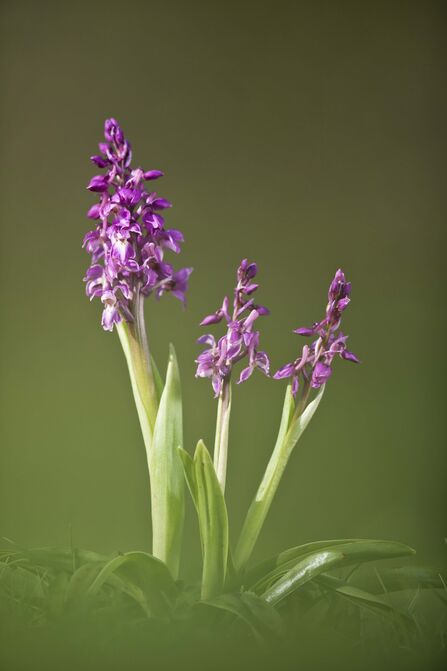
Taking a walk through the fields to the woods at the back of our house, I am keeping my eyes peeled for the early purple orchid (Orchis mascula). A regal wildflower that does exactly what it says on the tin and not only is it one of the first orchids to appear in spring, it’s also among the most abundant members of its famous family. You’re most likely to see it in sunny places in woods, but it also grows beside roads and on grassy hillsides, flowering until June.

Also a welcome sight out here is the beech tree (Fagus sylvatica) - well known for the beauty of its April foliage. It is one of the last broad-leaved trees in the British Isles to leaf up, generally not starting until the middle of the month but definitely worth waiting for! The newly unfurled leaves are tissue-thin to begin with, but it is their colour that delights: a zesty shade of lime-green.