

(C) Sippakorn Yamkasikorn / Pexels.com
How to go peat-free at home
Going peat-free at home and in the garden
Peat has been a major ingredient of the compost used in gardening for many years. This peat is dug out of wild places, damaging some of the last remaining peatlands in both the UK and overseas in places like Eastern Europe. This process also releases carbon into the atmosphere, accelerating climate change. Sadly, more than 94% of the UK’s lowland peat bogs have been destroyed or damaged, and a wealth of wildlife has disappeared along with it. This vital habitat isn't easily replaced.

Use peat-free compost
Look for retailers that are committed to phasing out peat sales.
Try out the alternatives, like bark, woodfibre, coir, or plant-based compost (each has slightly different properties so investigate if one is better for specific gardening needs.)
Try looking for locally sourced peat-free compost.
Create your own compost heap or collect fallen leaves in a leaf mould bin.

Buying peat-free plants
Buy peat-free plants: use this nursery list from the RHS as a starting point. RHS Nursery list
Ask retailers for peat-free plants: by showing there is demand incentivises production of peat-free plants.
Check wording: if the labels doesn’t specifically say ‘peat-free’, it likely isn’t
There is no garden, however beautiful, that justifies the scale of environmental damage or contribution to climate change that peat use causes. The extraction of peat for horticultural use is an act of environmental vandalism.gardener and presenter
Explore related blogs, news and resources
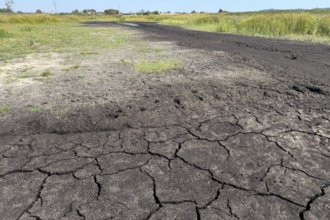
UK’s hottest summer & prolonged drought has devastating impact on Somerset’s peat
New Data from the Somerset Peatland Partnership highlights increase in CO2 emissions, exacerbation of nutrient pollution and impacts on…
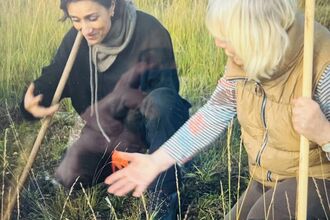
Blog from the Bog
Peatlands are some of the most important ecosystems on Earth, even though they often don't get the attention they deserve.…
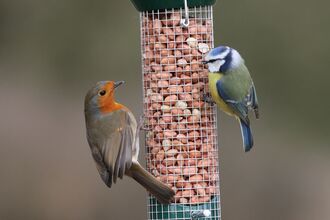
Feeding garden birds safely
Is it okay to feed our feathered friends? In light of a new evidence review from the RSPB, Tom Hibbert explains the best way to keep…
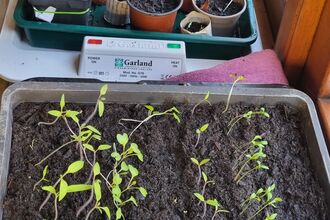
Allotment Diaries: Seeds, soil and first sprouts
The allotment has become a welcome break from the pace of everyday life. It’s somewhere we can move more slowly, work with our hands,…
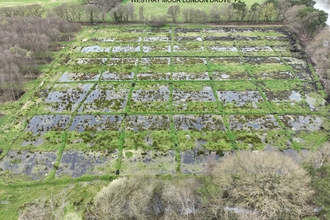
Peatland restoration in Somerset reaches major milestone, as innovative project completes on nationally significant nature reserve on the Somerset Levels
Innovative project restores 24 hectares of peat soils, improving peatland hydrology and protecting the carbon stored under the ground.…
New, exciting initiative launches to help spread the word about wildlife-friendly gardening
Somerset Wildlife Trust announces a new alternative to a ‘coffee morning fundraiser’ that encourages nature lovers to share their top…


