Blog from the Bog

Blog from the Bog

Image: Gillian Browning

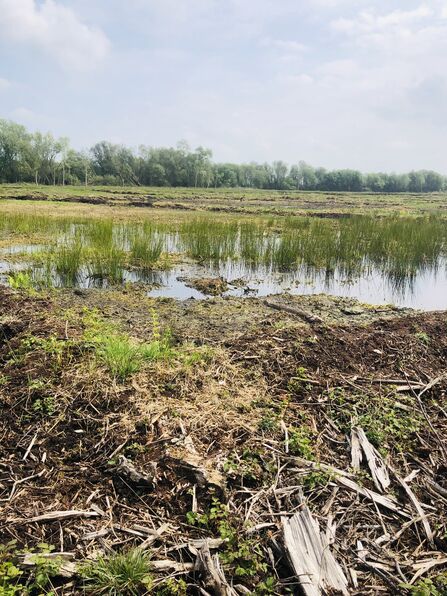
Peatlands are some of the most important ecosystems on Earth, even though they often don't get the attention they deserve. Volunteer Gillian Browning recounts her experiences on the Westhay Peatland Restoration Project.

Did you know?

Covering only around 3% of the world's land surface, they store more carbon than all the world's forests combined. In their natural state, peatlands act as long-term carbon sinks, locking away carbon for thousands of years. They also regulate water flow, helping to reduce flooding and improve water quality, while providing unique habitats for a wide range of rare and specialist plants, insects, birds, and mammals.

Blog from the bog

Image: Gillian Browning

So, what's the problem?

Over many decades, human activities have caused widespread damage to peatlands. Drainage for agriculture and forestry, peat extraction, and land conversion have disrupted these fragile ecosystems. When peat dries out, the stored organic matter begins to decompose, releasing large amounts of carbon dioxide into the atmosphere. Instead of storing carbon, degraded peatlands become significant sources of greenhouse gas emissions, contributing to climate change.

The damage doesn't stop there. Drained peatlands lose their ability to regulate water effectively, increasing the risk of flooding and drought, while many of the specialised species that depend on these habitats decline or disappear altogether. Restoring these ecosystems is becoming increasingly urgent as we face the twin challenges of climate change and biodiversity loss.

What can we do about it?

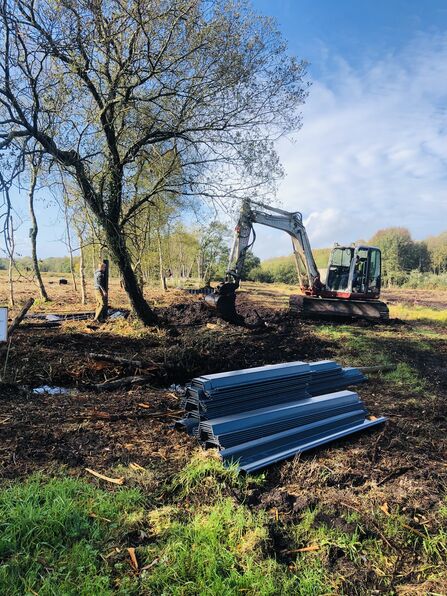
The good news is that peatlands can recover. Restoration is now widely recognised as one of the most effective nature-based solutions for tackling climate change. By blocking drainage channels, raising water levels, and allowing native vegetation to return, we can help peatlands resume their role as carbon stores rather than carbon sources.

Healthy peatlands also support biodiversity, improve water quality, reduce flood risk, and create more resilient landscapes for future generations. While restoration takes time, every restored peatland is a step towards protecting our climate and the incredible wildlife that depends on these unique habitats.

Blog from the bog

Image: Gillian Browning

Over the coming weeks, Blog from the Bog will explore peatland restoration in more detail, sharing the science behind these remarkable landscapes, the challenges involved in bringing them back to life, and the positive difference restoration is already making. 

Gilly Browning
Somerset Wildlife Trust Volunteer

The restoration works at Westhay began in September 2023 and continued until March 2025. You can read more about the project here >