

Wilder Gardening
Be part of Team Wilder, bringing about the change nature needs together.
Ivy berries and sprouting fungi
The change of season accelerates in October, with cooler nights, shorter days, the leaves starting to fall, and fungi sprouting from rotting logs in the woods. But it is also a beautiful time, the autumn colours on misty mornings offer great scope for the photographer, with dew on the spiders webs, dripping foliage, and the myriad shapes and textures of fading greenery.
It is the time of year when you may feel the urge to tidy up the garden. While a neat garden may please some of your neighbours, it will inevitably support less wildlife.
Ivy, not always the gardener's favourite plant, is a very valuable source of late nectar for insects. In bloom from September to November, ivy will attract wasps, hornets, hoverflies, and butterflies, red admiral in particular. Later in the winter the ivy berries are a good source of food, as they soften with time, many birds, from blackcaps to blackbirds and pigeons, will feast on them.
Autumn is a good time to plant new shrubs and bushes as they go into dormancy. Choose plants that will benefit wild creatures, be it flowering bushes such as buddleia for butterflies, or those producing a lot of berries, like cotoneaster. All these factors will determine how many wild creatures visit your garden.

Photo: Penny Dixie
Garden projects, big and small
We have a whole range of fantastic gardening project ideas for you to get stuck into - both big and small.

Image: Mark Hamblin/2020VISION
Small tortoiseshell (Aglaise urtica) feeding on garden flowers, UK
How wildlife friendly is your garden?
Wildlife Gardening Awards: In order to gain your award plaque, you need to demonstrate you are making an effort to welcome wildlife in different ways.

Image: Vaughn Matthews
Wilder Open Gardens
No matter what size of outdoor space, from tiny gardens and window boxes to large estates and everything in between, take part our wilder alternative to a coffee morning fundraiser, whilst spreading the word about gardening for wildlife.
Resources
Thank you for gardening for wildlife, every positive action you take makes a big difference. With your help, we can put nature into recovery, create more space for wildlife to thrive, and reduce the pressure on the environment. This has to be a joint effort. We all have different skills, knowledge, and experience to offer. And we’ve got resources and advice to help get you started...


Team Wilder
Celebrate wildlife gardening and use your garden to take action to help support nature. Many of our common garden visitors – including hedgehogs, house sparrows and starlings – are increasingly under threat. But together we can make a difference. Find out how our green spaces can provide for wildlife.
Wilder Allotment Awards: Although allotments are mainly used for growing food, by adding in wildlife friendly plants you can create a mini-ecosystem that’s good for you and good for wildlife. Demonstrate you are making an effort to welcome wildlife in different ways and practicing environmentally friendly actions and apply for your plaque today!
Related news and blogs
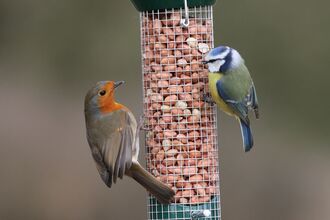
Feeding garden birds safely
Is it okay to feed our feathered friends? In light of a new evidence review from the RSPB, Tom Hibbert explains the best way to keep…
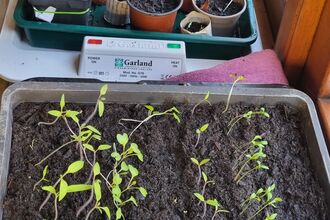
Allotment Diaries: Seeds, soil and first sprouts
The allotment has become a welcome break from the pace of everyday life. It’s somewhere we can move more slowly, work with our hands,…
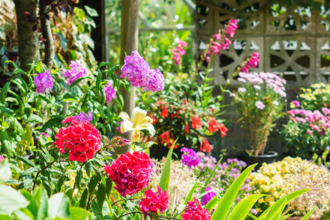
New, exciting initiative launches to help spread the word about wildlife-friendly gardening
Somerset Wildlife Trust announces a new alternative to a ‘coffee morning fundraiser’ that encourages nature lovers to share their top…


Wild about social media
Join the conversation and keep up to date with the latest wildlife news


