Severe Drought, Flood Risk and the Future of Water in Somerset

Severe Drought, Flood Risk and the Future of Water in Somerset

In Somerset, we’re facing what could be considered a contradictory situation. In a single week, we have seen a severe drought declared, at the same time as discussions about flood resilience funding have been taking place.

This raises the fair question: how can Somerset be facing drought while also worrying about flooding? The answer is simple, that Somerset's water system is broken.

We are seeing longer dry periods punctuated by more intense rainfall, a pattern that climate scientists expect to become more common as the climate changes. The challenge for Somerset is not simply adapting to drought or flooding but building a landscape that can cope with both.
There Is Only One Water Cycle 

The key to understanding this apparent contradiction is recognising there is only one water cycle. 

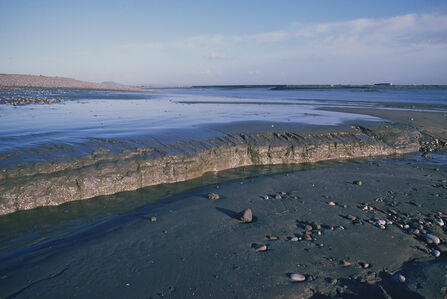
Water evaporates from the sea; rivers, wetlands and vegetation, forms clouds and eventually returns as rain. Some of that rain soaks into soils, replenishes aquifers and feeds rivers and wetlands. Some runs across the surface before making its way back to the sea. 

Although we often talk separately about drought, flooding, pollution, farming, drinking water and wildlife, they are all connected through this same system. 

That principle sits at the heart of The Wildlife Trusts' Fix Water campaign, which argues that many of the problems affecting our rivers stem from the same underlying issue: water moves through the landscape too quickly, carrying pollution with it and leaving too little behind when dry weather arrives. 

Drought Is About More Than Rain 

One of the biggest misunderstandings about drought is the belief that it simply means a lack of rainfall. 

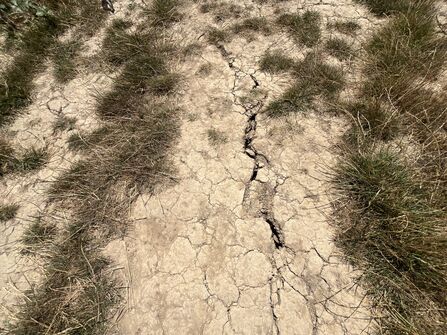
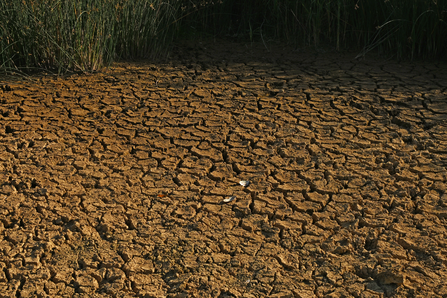
In reality, drought is a shortage of water across the whole system. After months of dry weather, groundwater levels decline, rivers run lower than they should, wetlands dry out, and reservoirs become depleted. A period of rainfall can improve conditions on the surface, but it often takes months for those deeper water stores to recover. 

That is why Somerset can still be in severe drought even when it has started raining again. 

One Problem, Multiple Symptoms 

Flooding, drought, and pollution are often treated as separate problems, but they are closely connected. 

When heavy rain falls onto dry, compacted soils, much of it runs off the land rather than soaking into it. That can increase flood risk downstream while also carrying soil, sediment, phosphates, and nitrates into rivers. 

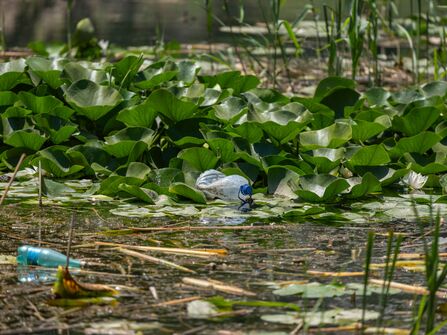
The result is a double problem. Water leaves the catchment quickly so is not available when we need it, while pollutants enter rivers and streams and impacts on water quality and species there, ending up either absorbed into vulnerable habitats or ultimately dumped into our struggling coastal waters. 

The same landscape that struggles to hold water during a storm will often struggle to retain enough water during a drought.

Swans on River Brue

Swans on River Brue

Building a More Resilient Somerset 

Somerset's landscape has always been shaped by water. The Levels and Moors are the product of centuries of human water management, with an intricate network of drains, rhynes, pumps, and managed wetlands. But as weather patterns become more extreme, we need to think beyond simply moving water out and instead focus on holding more of it in the surrounding landscapes as drought has had a severe impact on farming and nature in recent months. 

This is where natural flood management and nature-based solutions play a vital role. 

Across Somerset, projects such as the National Trust's work at Holnicote, woodland corridors planned along the Brue and Tone, floodplain restoration, wetland creation, peat recovery and improvements to soil health can demonstrate how restored natural processes help slow the flow of water making it available when we need it and providing huge benefits. 

These approaches can reduce flood peaks, improve water quality, recharge groundwater, reduce nutrient pollution, support wildlife, and help rivers continue flowing during dry periods. They are not an alternative to engineering solutions such as pumps and flood defenses, but an essential complement to them. 

One Water System, One Solution 

The severe drought declaration, concerns about flooding and growing concern over nitrate and phosphate pollution are not separate stories. They are different symptoms of the same water system under strain. 

If Somerset is to become more resilient, we need to manage and fix water as a whole, single system. That means creating healthier rivers, wetlands, floodplains and soils that can store water when it is plentiful, release it when it is scarce and filter pollutants before they reach our rivers. 

Most importantly, it means recognising that there is only one water cycle. Once we understand that, it becomes clear that fixing drought, reducing flooding and improving water quality are not competing priorities.  

They are all part of the same task: creating a healthier water system for people and wildlife in Somerset.