Wildlife Photography: Top Tips from Andy Kirby

Wildlife Photography: Top Tips from Andy Kirby

Image: Andrew Kirby

It started as a way of getting closer to nature, and it's never really been about anything more complicated than that.

I've been photographing wildlife since I was 15, when I got my first camera. That's the best part of five decades now, though it's the last twenty or so years, since I moved to Somerset, that I've really found my feet as a wildlife photographer here. 

Somerset and the Levels

The light on the Somerset Levels is something special. It changes constantly, morning mist rolling off the water, that low golden light in the evenings, and it makes the whole landscape feel alive in a different way depending on when you're out there. Westhay Moor and Catcott Lows are two of my favourite spots. Between them, you get a wonderful variety of wildlife, and I never get tired of going back.

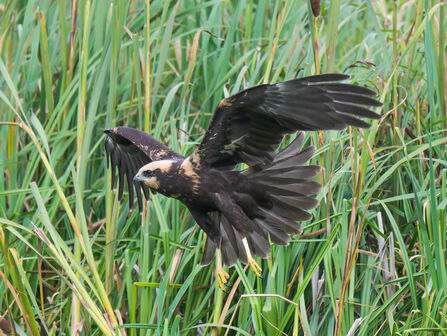
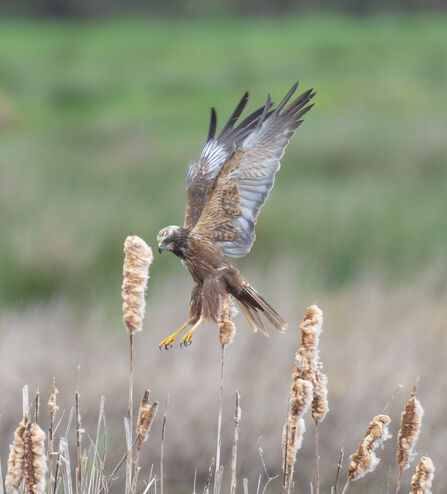
What keeps it interesting is how much the Levels change through the year. Spring brings the marsh harriers back into display, all tumbling flight and noise over the reedbeds. Summer is quieter but rewarding if you're patient, with bearded reedlings feeding young low in the reeds.

Autumn and winter are a different world entirely; the Levels fill up with thousands of overwintering ducks, and it's a proper spectacle. Wigeon, teal, pintail, all arriving in huge numbers, and watching a sky full of them lifting off at dusk never gets old.

Favourite species

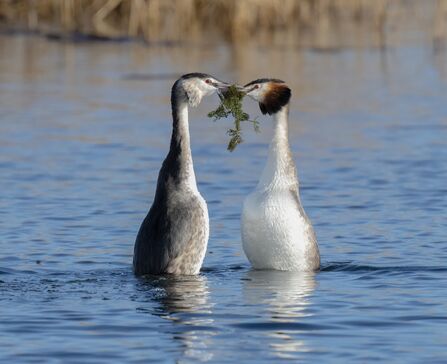
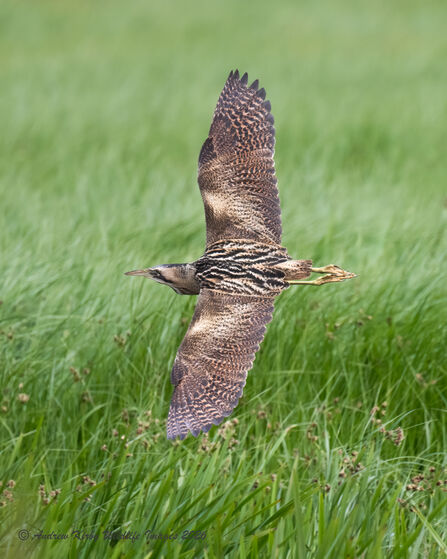
If I had to pick favourites, it would be bitterns, marsh harriers, great white egrets, bearded reedlings and great crested grebes. Bitterns especially. They're notoriously hard to spot, all reeds and stillness, and when you do get a clear view of one, it feels like you've earned it. Their ‘Boom’ moves the ground with vibration too - sounds a little like blowing over the top of a glass bottle! 

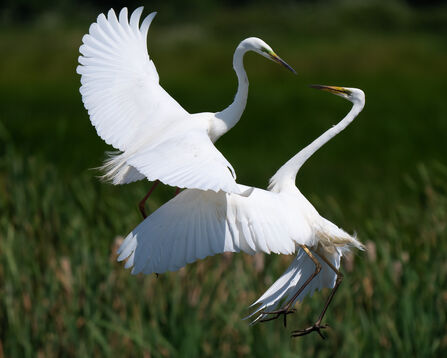
The great white egrets have a special place for me. I've been photographing them since the first bird nested on the Levels in 2012, and I've been monitoring the colony ever since. I've built up a photographic diary of it over the years, from that first known breeding pair in the UK right through to a peak of around 100 youngsters in a single season. Watching that colony grow from nothing into something so established has been one of the real privileges of doing this for as long as I have.

Photography has been a lifelong passion of mine, and Somerset has given me some of the richest and most rewarding wildlife encounters I've had anywhere. 

It started as a way of getting closer to nature, and it's never really been about anything more complicated than that.
Photographed by Andrew Kirby

Image: Andrew Kirby

My top tips

I'd love to see more people getting out onto the Levels and discovering what's on their doorstep. You don't need the most expensive equipment or years of experience to get started, just curiosity and a willingness to be patient. Here are my top tips: 

  1. Enjoy what you're doing. This is the one that matters most. Don't get caught up in the technical side of things or worrying about settings. Just enjoy what you're seeing through the lens. If you're not enjoying it, it shows in the photos.
     
  2. Let go of the pressure to get the perfect shot. The moment you start putting pressure on yourself to capture the best image, you lose something. Relax into it. The best shots tend to come when you've stopped chasing them.
     
  3. Learn a bit about what's around you. A little bit of knowledge goes a long way, knowing what species you might see, when, and where. Chat to the local photographers and birdwatchers you meet out there. Most of them are friendly and happy to share what they know, and you'll learn more from a ten minute conversation on a boardwalk than you will from hours online.
     
  4. Get to know your equipment. Watch videos, read up, and understand what your camera and lens can actually do. It doesn't need to be complicated, but the more comfortable you are with your kit, the less it gets in the way when a moment presents itself.
     
  5. Just keep going out. The more time you spend out there, the better you become, both as a photographer and as someone who understands nature. But above everything else, the most important thing is to enjoy the environment around you and fall in love with nature. That's what keeps you coming back, and that's what makes the photography worth doing.
Photographed by Andrew Kirby

Image: Andrew Kirby